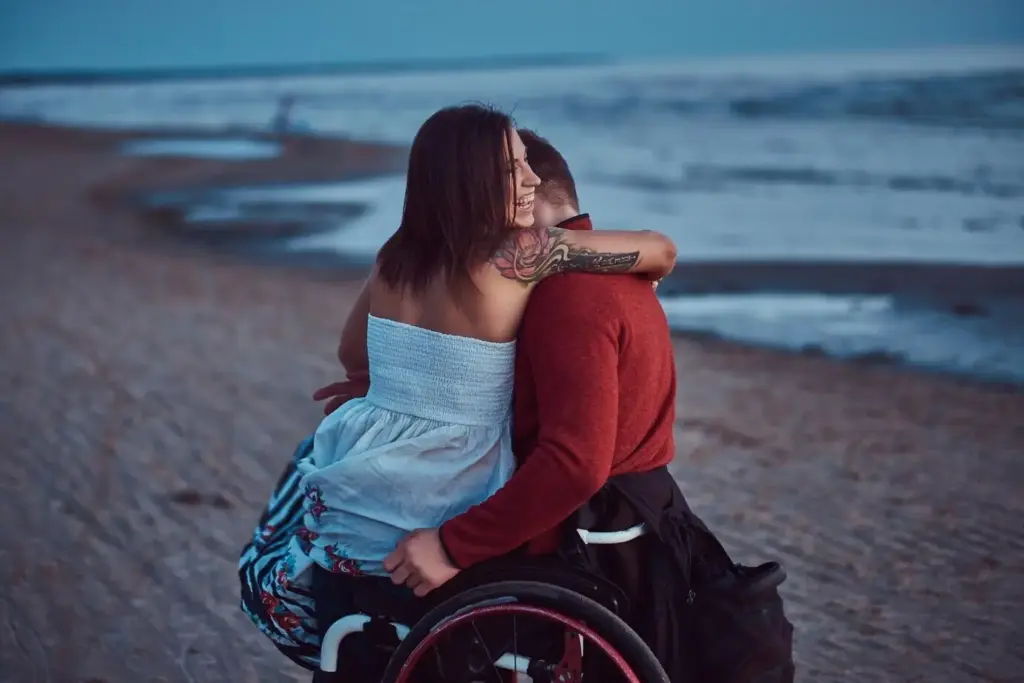
Set Sail for Smiles: DIY Port Adventures for the Whole Family
Today we’re diving into kid-friendly independent port adventures for families on a cruise, sharing practical ways to build safe, flexible days ashore that fit little attention spans and big curiosity. Expect packing tricks, timing strategies, real anecdotes, and confidence-boosting tips so you can skip crowded buses, follow your family’s energy, and return to the ship with sandy toes, satisfied appetites, and memory cards filled with authentic moments everyone will happily relive.

Plan Like a Pro Before the Gangway Drops
Great independent days start long before the ship ties up. Study port maps, tender schedules, walking distances, restroom locations, and shade options. Bookmark offline maps, pin meeting points, and choose activities clustered together. Build a simple plan A, B, and C, with generous snack breaks. Prioritize kid-friendly pacing over adult checklists, and remember that an early return can turn potential meltdowns into pool time, smiles, and relaxed evenings that feel like vacation again.

Beach Days Without the Crowds

Playful Culture and History

Transform city streets into living stories by linking plazas, murals, and monuments with interactive prompts. Swap static lectures for scavenger hunts, stamps, and hands-on stops where kids can touch, taste, and listen. Light narratives help everyone remember more: a pirate rumor, a lighthouse legend, or a baker’s dawn routine. Break learning into snack-sized segments, celebrate small discoveries, and let children lead questions. Authentic encounters make independent exploration feel personal, surprising, and wonderfully memorable.

Turn Streets into a Story Quest

Create a simple checklist before disembarkation: find three blue doors, a seashell carving, the oldest tree on the square, and a bell tower you can hear. Layer small clues into a family map. Give kids mini responsibilities like compass keeper or photographer. When curiosity guides your route, even short walks pulse with excitement, and historical facts land effortlessly because they are discovered rather than delivered, celebrated rather than recited, and owned by the young explorers.

Hands-On Stops Beat Lecture Stops

Choose experiences where hands get busy: rolling dough at a neighborhood bakery, stamping postcards in a tiny postal museum, or trying simple folk dances in a community hall. Watch attention spans bloom when bodies move. Ask docents for quick kid-friendly demonstrations instead of lengthy talks. Pay small entry fees gladly if they unlock tactile learning. Those five golden minutes can anchor the entire day’s memory, becoming the story kids retell at dinner with sparkling eyes.

Talk to Locals, Learn Real Life

A fruit seller describing mango seasons, a ferry captain recalling morning tides, a street artist mixing colors for today’s mural—these voices carry a place’s heartbeat. Encourage polite questions and thank-yous in the local language. Pack small coins for street musicians or buskers. Authentic exchanges teach empathy, listening, and respect. Families gain context beyond souvenirs, and children understand that travel isn’t a backdrop; it’s shared human moments stitched gently into their growing sense of the world.

Short Trails with Big Payoffs

Look for loops under three kilometers featuring boardwalks, overlooks, and benches. Elevation gains should be gentle enough for chatty walking, not heroic hauling. Pack a light snack to anchor a scenic pause. Encourage children to notice textures, patterns, and sounds. A magnifying lens turns moss into a forest and shells into sculptures. When effort feels playful, little hikers associate nature with delight and accomplishment, building confidence for future, slightly longer, equally wonder-filled explorations together.

Gentle Wildlife, Ethical Interactions

Seek sanctuaries and rehabilitation centers that emphasize observation over touching. Read posted guidelines carefully and model quiet voices. Avoid attractions offering rides or forced feeding sessions. A volunteer’s story about rescued turtles or seabirds can spark lifelong advocacy. Keep respectful distances, using zoom instead of steps. Explain why hands stay off nests and why crumbs harm ecosystems. When ethics lead, kids learn that caring for animals multiplies joy, deepening connection without compromising wellbeing or habitats.

Ferries and Viewpoints for Wow Moments

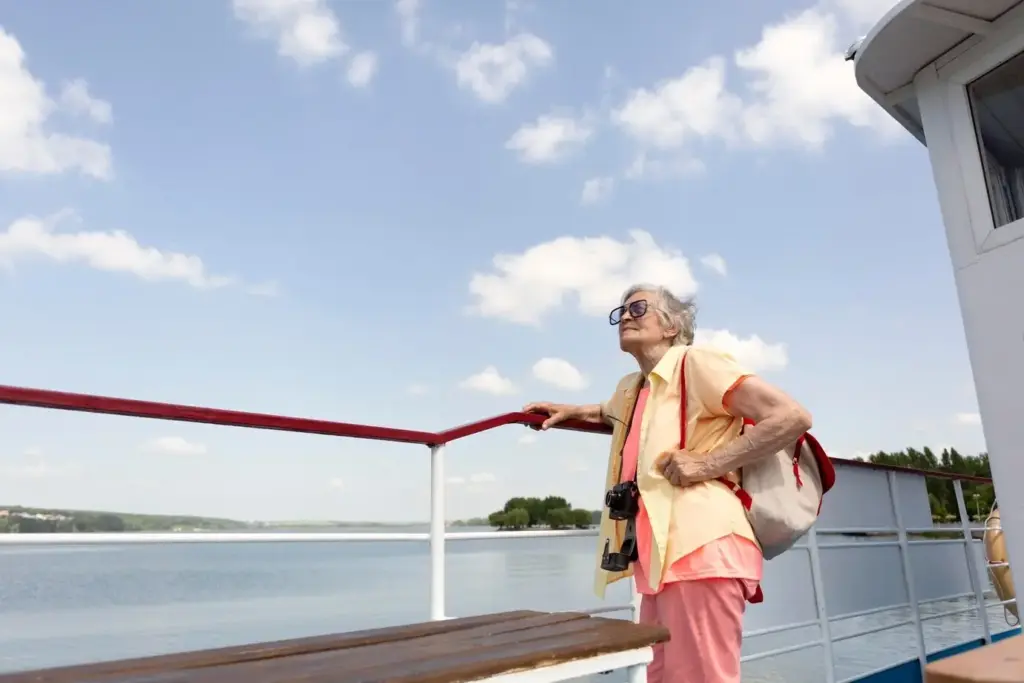
Public ferries often deliver skyline vistas that rival pricey tours, with open decks, breezes, and thrilling approaches to lighthouses or cliffs. Pair a short ride with a hilltop viewpoint where little legs can triumph in minutes. Snap family photos, then simply sit and watch boats stitch lines across glittering water. These uncomplicated choices keep logistics light, energy high, and budgets intact while gifting your crew the kind of panoramic memories that anchor stories for years.

Snack Safely, Sample Boldly

Pack a base layer of trusted snacks to keep moods steady, then let curiosity drive little tastings: a slice of seasonal fruit, a bakery’s specialty, or a tiny cup of soup. Teach children to request ingredients politely and to thank vendors warmly. Use clean hand wipes before bites. This blend of predictability and discovery builds confidence in new flavors and protects energy, ensuring exploration remains joyful instead of derailed by hungry, hurried decisions or avoidable tummy troubles.

Markets Are Mini Adventures

Choose vibrant markets near port where color, music, and aromas invite exploration. Give each child a coin budget to choose one item—perhaps a local cheese, a handmade sweet, or a small spice packet. Ask stallholders about preparation traditions. Photograph ingredients before tasting to extend the story later onboard. Markets showcase everyday life, teaching kids that culture lives in breakfast choices, seasonal cycles, and friendly negotiations as much as in grand monuments or polished museum exhibits.

Hydration Heroes and Cooling Breaks

Refillable bottles with built-in filters simplify refills when permitted. Schedule shade stops every forty-five minutes, even on breezy days. Frozen juice pouches wrapped in cloth double as tiny ice packs and morale boosters. Encourage sips during transitions—leaving beaches, entering museums, boarding ferries. Point out how bodies feel when hydrated: clearer thinking, steadier steps, and brighter moods. Modeling intentional water habits turns comfort into safety, keeping your independent day resilient through heat, excitement, and unexpected detours.

Smart Transport, Budget, and Timing

Going solo doesn’t mean guessing. Learn local transport basics, set a realistic spending cap, and time movements around natural lulls. Early starts and early finishes typically beat crowds and heat. Use offline navigation and confirm taxi fares before doors close. Keep small bills ready. Track minutes loosely, not obsessively, with planned buffers near port. Thoughtful choices multiply freedom, proving independence can feel safer, cheaper, and far more playful than a packed coach window ever could.
Zaretavimelozopepu
Privacy Overview

This website uses cookies so that we can provide you with the best user experience possible. Cookie information is stored in your browser and performs functions such as recognising you when you return to our website and helping our team to understand which sections of the website you find most interesting and useful.